A Dutch book from 18th century.
Sometimes you don’t even need to understand everything to consider it inspiring or fascinating. If you speak dutch, maybe this would be easy, I truly made an effort to get a little context of what I was seeing but neither Google Translate nor I could quite make out what the pages of Maria Sibylla’s book is properly describing.
But don’t take me wrong, but even if you get a vague sense of the pages and its descriptions, it is simply fascinating. Give it a try and see what I mean.
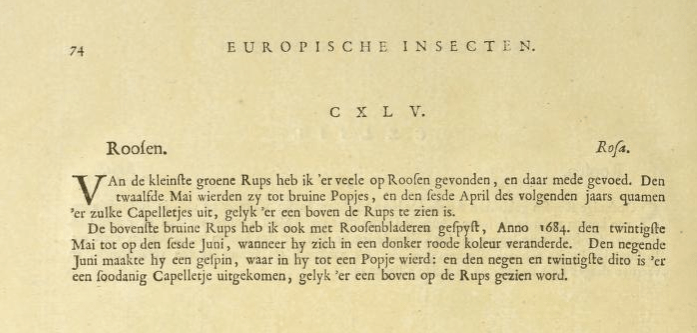
Some of the passages, like the one above, introduce the illustration plates. They appear to be a field journal containing observations that lend meaning to the illustrations in the following pages. These books are somewhat like silent films, where you would see a text vignette displaying the dialogue, followed by the action.
Here’s an sample I got from google translate on the first lines:
The hanging green caterpillar also eats roofs. This creature often pecks at its back and lets itself go up and down on a little thread that comes out of its mouth. On the tenth of May it became a pupa, and on the eighteenth a black fly.
You can get a vague idea of the descriptions, sure; but it’s obvious that the image-to-text reader was not working smoothly as expected. Google’s translation continued:
I also depicted your uppermost brown caterpillar feeding on oak leaves, from May 20th, 1684, until June 6th, when it changed into a dark red color. On the ninth of June, it spun a cocoon, within which it transformed into a pupa; and on the twenty-ninth of the same month, a small moth emerged—precisely like the one seen atop the caterpillar.
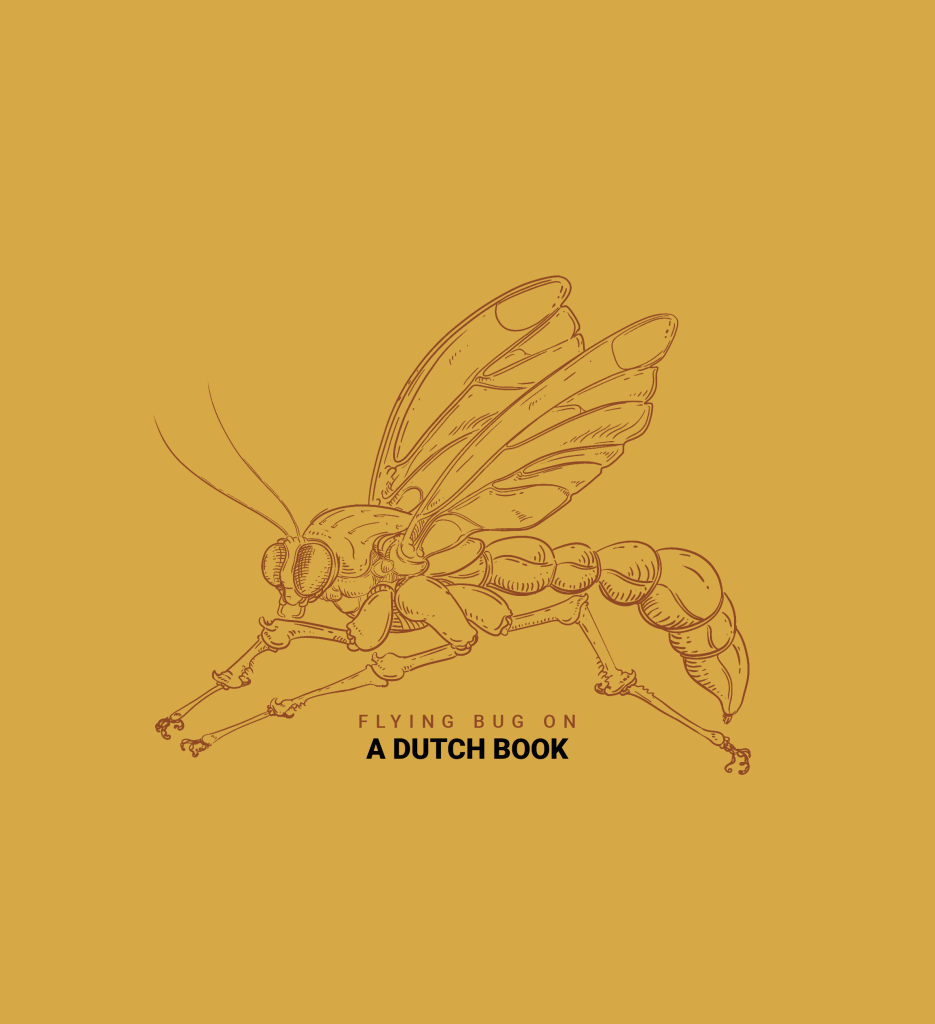
The book is filled with beautiful botanical and bug illustrations, here’s a small one that I really liked:
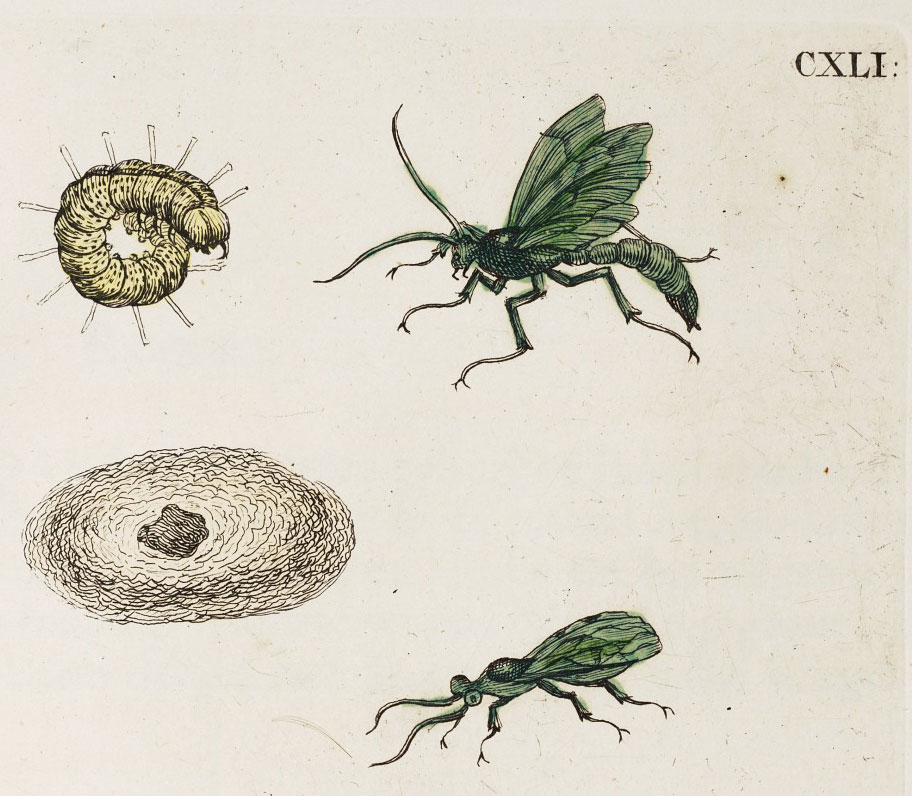
While I was contemplating these pages, I find myself trying to connect with something familiar—something I may have seen before. But this connection isn’t necessarily tied to the specific subject I’m observing.
Maybe it’s easier for our brain to connect with something more vague—perhaps a resemblance in the colors of something I once saw, or in the shapes or postures.
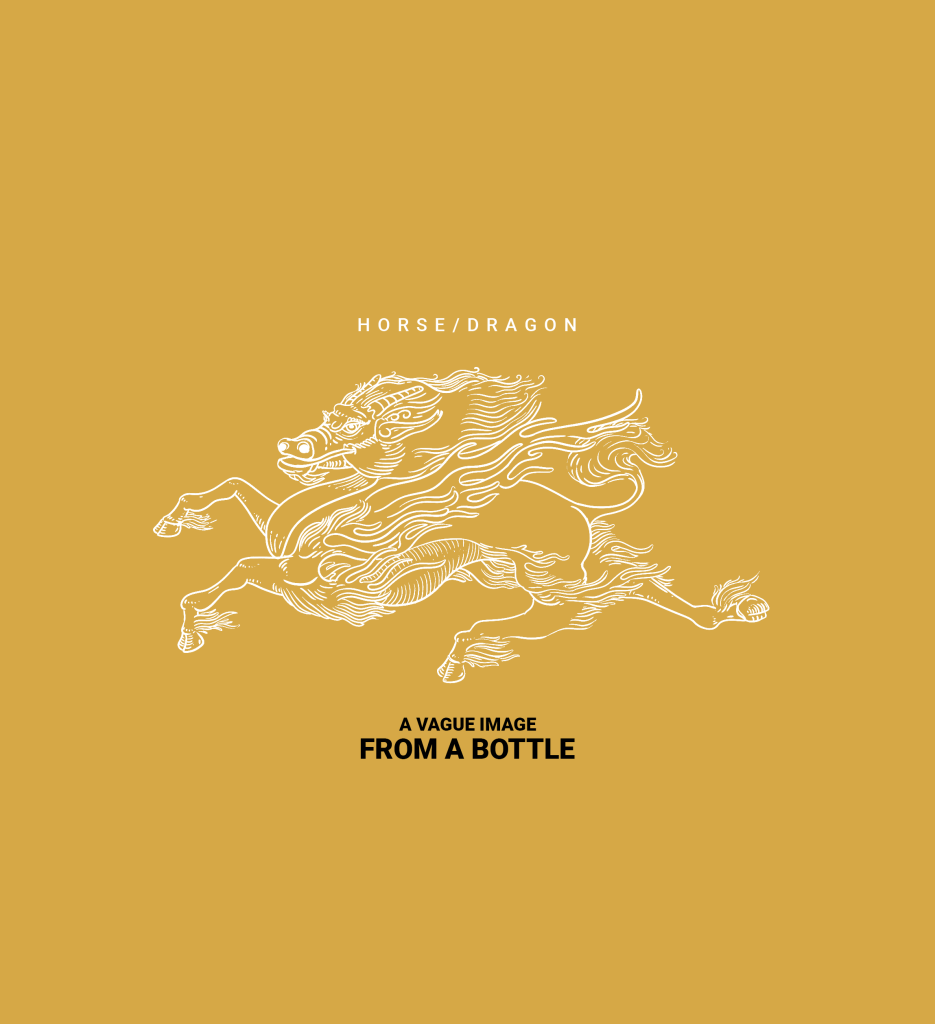
That green bug above called a memory of a popular illustration of a horse (or actually a dragon) that I first saw it on a bottle. There are many paintings with similar poses where horses extend their legs almost as if to fly over obstacles. Here’s what showed up into my head:
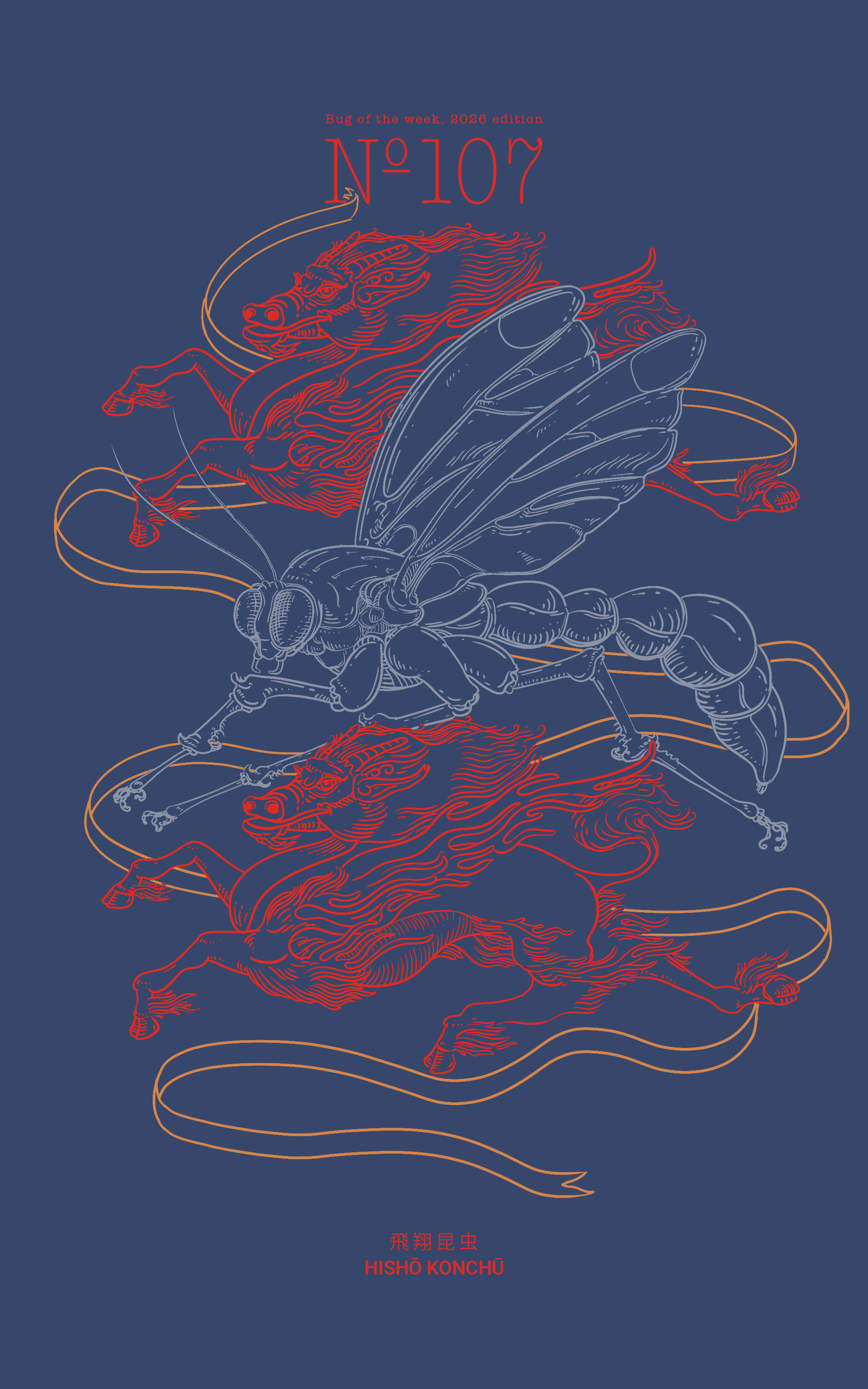
Maybe I’m just poorly wired; somewhere in the recesses of my memory, there was a horse with its legs extended—and right in the middle of searching for references, my mind said: “That’s it! This one.”
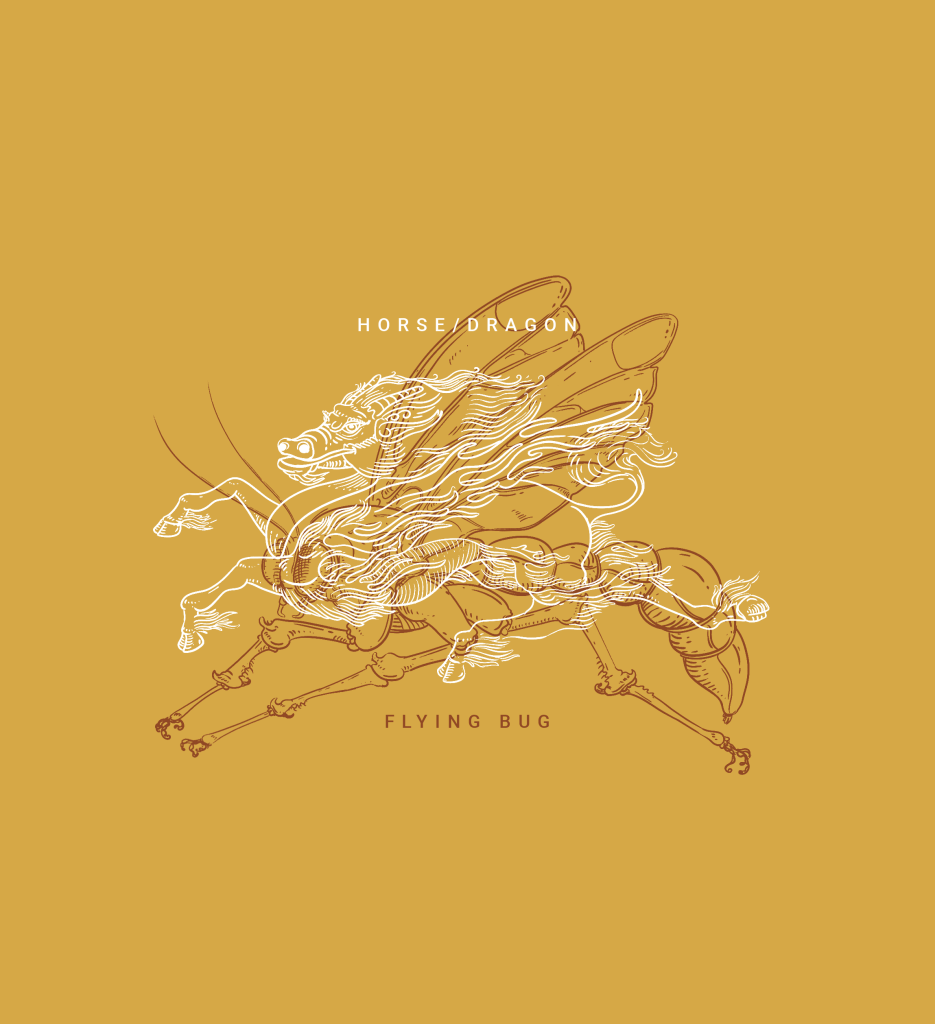
But what did you think when you saw that first image? I suppose there’s a good chance it wasn’t the same thing I saw.
Our experiences affect how we view things. We are influenced by things we find interesting in our life journey—we store them away to reference later.
On Sundays, I simply sit back and see where the stylus takes me.
I hope you enjoyed this post; I’ll see you next week to tell you more about another one of my mind’s wanderings, conspiring with the stylus of my Wacom.
 Sunday Sketchbook